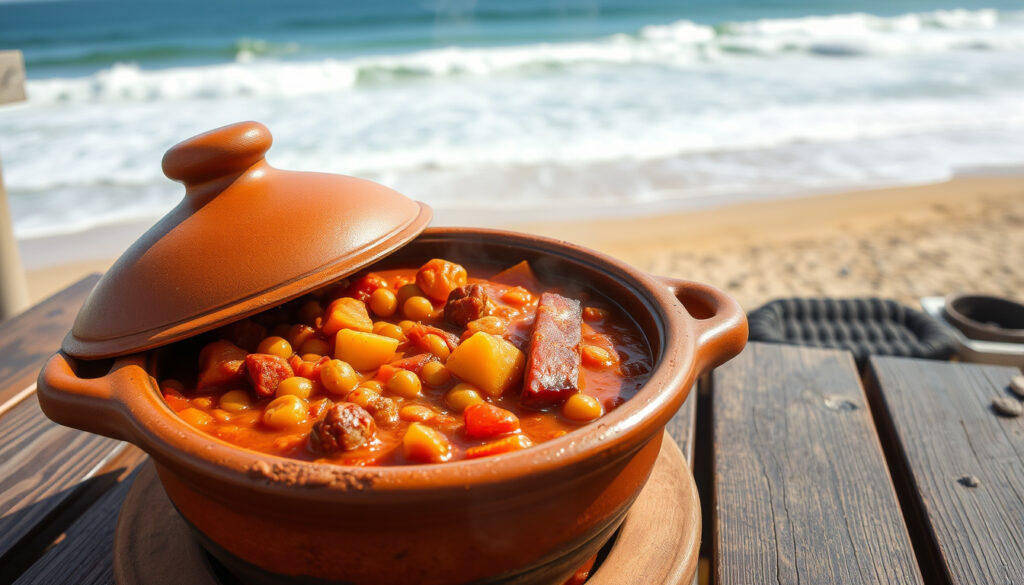
Best Ropa Vieja Canaria Near Me: Top Spots in Gran Canaria
Gran Canaria’s version of ropa vieja predates the Cuban one by centuries — islanders have been making this chickpea-and-meat stew since the Middle Ages, yet most travelers arrive thinking Cuba invented it. This guide cuts through the tourist menus to find the local spots where residents actually eat it, from Vegueta tapas bars to family kitchens in Aguimes.
Top review count for Ropa Vieja spot: 179 · Specialty dish: Ropa Vieja de Pulpo · Key areas: Las Palmas, Aguimes · Tripadvisor sources: 4 of top 5 SERP
Quick snapshot
- Ropa Vieja originated in the Canary Islands (The Bean Bites)
- Canarian version uses chickpeas; Cuban version uses black beans (The Bean Bites)
- Bar Terraza Ka’yuco has 179 reviews with strong Ropa Vieja ratings (TripAdvisor)
- Exact “near me” results depend on your precise location in Gran Canaria
- Operating hours fluctuate seasonally at smaller family-run spots
- Ropa Vieja spread from Canary Islands to Cuba by 18th–20th centuries (Spanish Sabores)
- Dish originated in Middle Ages; Spanish colonists carried it across the Atlantic (The Bean Bites)
- Five neighborhoods to explore for local Ropa Vieja, ranked by resident preference
- Step-by-step approach to ordering like a local at Canary food spots
| Label | Value |
|---|---|
| Signature dish | Ropa Vieja (shredded beef or octopus stew) |
| Prime locations | Las Palmas de Gran Canaria, Aguimes, Carrizal |
| Review highlights | Fresh ingredients, affordable prices |
| Canarian base | Chickpeas + potatoes + shredded meat |
| Cuban comparison | Black beans instead of chickpeas |
| Local price benchmark | Menú del día under €12 |
Where to stay in Gran Canaria for good food?
Five neighborhoods, one pattern: proximity to local markets and resident traffic predicts whether you’ll eat well or end up at a tourist menu.
Top resort towns with restaurants
Las Palmas de Gran Canaria — specifically the Vegueta old town and Puerto districts — gives you the best density of family-run spots serving Ropa Vieja. These areas mix residential neighborhoods with enough visitor foot traffic that restaurants survive without chasing tour groups. Amsterdam Foodie notes that Siete Viejas in Vegueta has built its reputation on exactly this balance: local classics at quality that holds up whether you’re a first-timer or a regular.
The smaller towns of Aguimes and Carrizal offer a different trade-off: fewer options, but the ones that survive are deeply embedded in local routines. At Bar Terraza Ka’yuco in Aguimes, the 179 TripAdvisor reviews (118 candid photos) tell you this spot has been checked out by enough outsiders to feel safe, yet the menu and atmosphere remain resolutely local.
- Las Palmas / Vegueta: highest density, widest price range
- Aguimes: authentic local feel, strong Ropa Vieja reputation
- Carrizal: 5 listed restaurants, less tourist-trafficked
- Agaete: village atmosphere, El Perola serves both carne and pulpo versions
Book accommodation in or near Vegueta if you want walkable access to multiple Ropa Vieja spots. Stay in the beach resorts if you are okay with limited options and longer taxi rides to the good local places.
Hotels with on-site dining
If your hotel has an on-site restaurant, use it for convenience but do not rely on it for Ropa Vieja. Resort dining skews toward international palates, and most all-inclusive properties near the beach strips serve adapted versions designed not to challenge unfamiliar guests. The Grand Hotel Residencia blog notes that authentic Canarian recipes — including Ropa Vieja — rely on slow cooking and leftover-based traditions that require time and ingredient quality resorts rarely prioritize.
Where do locals eat in Gran Canaria?
Two patterns emerge across TripAdvisor reviews, food blogs, and local forum mentions: locals gravitate toward spots with no English menus, short opening hours, and owners who decide when to close.
Local eats in Las Palmas
Inside Las Palmas proper, three neighborhoods consistently appear in local recommendations. The historic Vegueta district has Siete Viejas, a spot Amsterdam Foodie calls “top quality” for Canarian classics including Ropa Vieja. Close to Plaza de España, Hermanos García offers a menú del día for less than €12 that includes a starter, hefty main, dessert, bread, drink, and coffee — the kind of value proposition that keeps neighborhood regulars coming back.
Bochinche El Chato at Calle Dr. Grau Bassas, 12 — a short walk from Las Canteras beach — has made Ropa Vieja de Pulpo their signature dish. TripAdvisor visitors describe it as a place where the specialty is worth the trip alone. Hours run 8:00 PM to 11:00 PM Monday through Saturday; it is closed Sundays.
Many top-rated Ropa Vieja spots in Las Palmas close before sunset on weekends. Planning your meal around local hours — not resort schedules — is the single biggest behavioral shift that separates tourist dining from resident dining.
Spots for traditional Canary dishes
Beyond Las Palmas, the village of Agaete hosts El Perola, where NikaTeacher describes an elderly man running the kitchen who “takes his time with service.” You can order Ropa Vieja de carne (beef) or de pulpo (octopus). The pace is slow, the portions are not standardized, and you will not find an English menu. This is the experience most food-focused travelers describe as “authentic” — and it requires patience.
The Villa Gran Canaria recipe guide explains that authentic Ropa Vieja is traditionally made by reusing leftovers from broths and stews, prepared overnight so the flavors meld. Most restaurant versions today are made fresh daily, but the principle holds: the best versions taste better the second day.
What is the liveliest part of Gran Canaria?
The area around Las Canteras beach and Puerto de la Luz draws the most evening foot traffic, combining beach promenade crowds with portside dining. The trade-off is that the liveliest areas also attract the most tourist-oriented restaurants.
Areas with best nightlife and food
The Santa Catalina district and surrounding streets around Las Canteras form the core of Las Palmas nightlife. This is where restaurants stay open later and the menu prices reflect the area’s popularity with visitors. The Bochinche El Chato location near Las Canteras benefits from this foot traffic but maintains its local character through menu and portion sizes designed for sit-down dining, not take-away.
Bars and clubs near eateries
The concentration of tapas bars in the old town Vegueta gives you the closest thing to a walkable food-and-drinks circuit without leaving the historic center. Siete Viejas and Hermanos García both sit within a short walk of several bars that stay open past midnight on weekends.
What fast food places are in Gran Canaria?
Gran Canaria’s fast food landscape is dominated by the same chains found across southern Europe, with a smaller layer of local takeaway spots that operate on speed rather than atmosphere.
Quick eats vs traditional spots
The TripAdvisor fast food listings for Gran Canaria show chains concentrated along the coastal resort strips — burger chains, pizza franchises, and fried chicken spots. These serve a purpose for travelers wanting familiar comfort food at predictable prices.
Traditional Ropa Vieja spots are not fast food by design. The dish requires braising time for the meat to shred properly, and most family-run kitchens do not hold it warm for extended periods. The trade-off is worth it: a freshly plated Ropa Vieja at El Perola or Bochinche El Chato bears no resemblance to the pressure-cooker versions served at high volume.
Tripadvisor fast food listings
For quick-turnaround dining, most town centers have bocadillo (sandwich) shops and rotisserie chicken takeaways. TripRanger ranks Ropa Vieja Canaria as the 5th top dish in Las Palmas — ahead of most fast food categories in local food priority.
If you are on a tight schedule, Ropa Vieja is not your dish. Budget at least 90 minutes for a proper meal at a local spot. The fast food alternative is a bocadillo, not an equivalent experience.
What is the poshest area of Gran Canaria?
Two areas compete for the luxury label: the beachfront promenade around Playa del Inglés and Meloneras, and the residential hills above Las Palmas. The dining profile of each could not be more different.
Luxury neighborhoods in Las Palmas
The Ciudad Jardín area and parts of Tafira above Las Palmas show luxury real estate prices and neighborhood coffee shops, but the dining scene remains primarily local rather than upscale. Amsterdam Foodie‘s Las Palmas guide does not highlight any high-end Canarian fine dining in these neighborhoods — most luxury dining concentrates in resort areas rather than residential zones.
High-end dining options
The resorts around Meloneras and Playa del Inglés have the highest concentration of upscale restaurants, but Villa Gran Canaria notes that authentic Canarian cuisine — including Ropa Vieja — is fundamentally a humble, home-cooking tradition. The poshest area for authentic food is not the most expensive area; it is the one with the oldest neighborhood kitchens still operating on family recipes.
If you want Ropa Vieja prepared with luxury ingredients and presented on white tablecloths, you will search a long time. If you want the best version of the dish as locals eat it, head to Vegueta or Aguimes instead.
Related reading: Browns Social House Cambridge: Menu, Reservations, Reviews · Oak Bay Beach Hotel – Reviews, Prices and Amenities
fooddrinkdestinations.com, theworldinmypocket.co.uk, wanderlog.com
Frequently asked questions
What is Ropa Vieja Canaria?
Ropa Vieja Canaria is a traditional Canary Islands stew made with chickpeas, potatoes, and shredded beef, chicken, or octopus. The name translates to “old clothes” and refers to the way leftover meats and vegetables are shredded and combined. The Bean Bites notes the dish originated in the Middle Ages in the Canary Islands, making it older than the Cuban version many travelers assume is the original.
Is Ropa Vieja Canaria spicy?
No. The traditional sofrito sauce that accompanies Canarian Ropa Vieja — made with pepper, onion, garlic, and crushed tomato — is savory but not hot. Villa Gran Canaria describes it as a gentle, slow-building flavor profile rather than a spicy one. Some restaurants add chorizo for depth, which introduces mild spice, but this is optional.
Where in Las Palmas to find best Ropa Vieja?
Bochinche El Chato near Las Canteras beach specializes in Ropa Vieja de Pulpo. Siete Viejas in Vegueta serves it as part of their Canarian classics menu. Hermanos García near Plaza de España includes it in their menú del día for under €12. Amsterdam Foodie covers all three in their Las Palmas food guide.
Are there vegan options like Ropa Vieja?
Traditional Ropa Vieja uses meat, but Grand Hotel Residencia publishes a vegetarian version that substitutes mushrooms and additional chickpeas. Most restaurants will accommodate a vegetarian request if you ask in advance, but the standard menu does not include a vegan Ropa Vieja option.
What to pair with Ropa Vieja Canaria?
Villa Gran Canaria recommends a simple side of diced fries or crusty bread to soak up the sofrito. For drinks, a local red wine from the Canary Islands or a cold dorada beer pairs naturally with the savory stew.
How much does Ropa Vieja cost in Gran Canaria?
At local spots, Ropa Vieja as a main course typically costs €8–€14 depending on portion size and location. Hermanos García offers it as part of a menú del día for under €12, including multiple courses. Resort-area restaurants may charge €15–€20 for a comparable portion.
Best time to eat Ropa Vieja in Gran Canaria?
Lunch between 1:00 PM and 3:00 PM is when most local kitchens serve their freshest Ropa Vieja. NikaTeacher notes that many family-run spots in Aguimes and Agaete close by mid-afternoon, so late lunch is your safest window. Evening service varies widely — Bochinche El Chato opens at 8:00 PM, but El Perola in Agaete may close by early evening depending on the day’s crowd.
Related reading
- The Bean Bites — Full history of Ropa Vieja and the Canary Islands origin debate
- Amsterdam Foodie — Las Palmas neighborhood food guide with local restaurant recommendations
- Villa Gran Canaria — Traditional Ropa Vieja recipe with sofrito technique
- Spanish Sabores — Timeline of how Ropa Vieja spread from Canary Islands to Cuba
More related posts
 What Is an Empath? Traits, Signs & Psychology Guide
 Whole Chicken in Air Fryer: Time, Temp & Easy Recipe
 Gem.cbc/Info/Password – Reset Change CBC Gem Guide
 What Does Skibidi Mean – Gen Alpha Slang Explained
 Maritime Electric Outage Map – Live PEI Power Status Updates
 Convert M4A to MP3: Free Online, Mac, Windows, Mobile Guide
 Flight Cancellations Tourism Impact: Fuel Crisis Hits UK
 Inverted Triangle Body Shape: Styling Tips for Men and Women