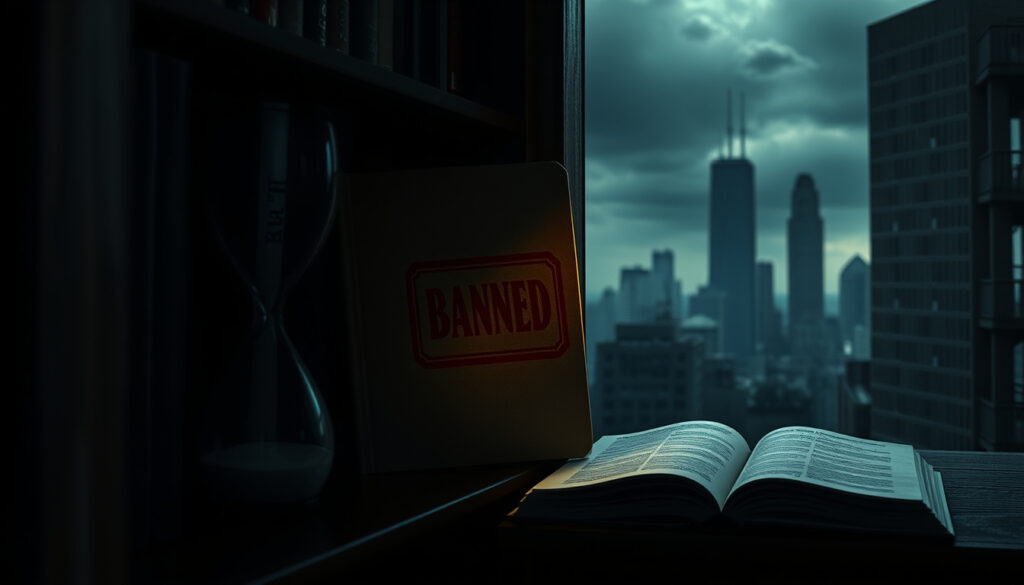
They Both Die at the End: Plot, LGBT Themes & Bans Explained
If you’ve ever finished a book and felt genuinely gutted for days afterward, there’s a good chance someone recommended Adam Silvera’s They Both Die at the End. Published September 5, 2017, this young adult novel puts its two protagonists through an entire day knowing they’ll be dead by midnight — and somehow makes it about how to live. The book has earned a devoted readership, landed on banned book lists in several US school districts, and keeps showing up on BookTok whenever someone’s scrolling for a good cry. This guide covers the plot, the queer romance, the censorship fights, and everything you need to decide whether to pick it up.
Author: Adam Silvera · Published: September 5, 2017 · Genre: Young Adult Romance · Publisher: HarperTeen · Main Characters: Mateo Torrez and Rufus Emeterio
Quick snapshot
- The novel centers on two strangers, Mateo and Rufus, who each receive a Death-Cast call telling them they have 24 hours left to live (Wikipedia)
- They meet through the Last Friend app and spend their final day together in New York City (Avocado Diaries)
- Adam Silvera wrote the novel in 2016 and published it in 2017 through HarperTeen (LitCharts)
- Whether a film or TV adaptation is definitively in development remains unconfirmed across major entertainment outlets (Amanja Reads)
- The exact count of school districts or libraries that have challenged or banned the book is not available in verified sources (Amanja Reads)
- The depth of explicit romantic content versus platonic-bromance framing sparks ongoing reader debate (Amanja Reads)
- September 5, 2017: Book published — Silvera deliberately aligned the publication date with the story’s End Day for immersion (Audible)
- April 2020: BookTok viral moment revived the novel’s New York Times bestseller status (Audible)
- 2022: Prequel The First to Die at the End published, offering Death-Cast’s origin story (Keeping Up With The Penguins)
- The prequel expands the universe but does not change the ending of the original — readers can start with either book, though many recommend the 2017 novel first (LitCharts)
- Silvera continues writing YA fiction, including the collaboration What If It’s Us with Becky Albertalli (LitCharts)
- Interest in adaptation discussions surfaces periodically but no studio has officially announced a project (LitCharts)
The table below consolidates key specifications for quick reference.
| Detail | Value |
|---|---|
| Author | Adam Silvera |
| Publication Date | September 5, 2017 |
| Length | 384 pages |
| Setting | Near-future New York |
| Prequel | The First to Die at the End (2022) |
| Protagonists | Mateo Torrez (age 18) and Rufus Emeterio |
| Core premise | Death-Cast calls individuals 24 hours before their death |
What is They Both Die at the End about?
The novel introduces Death-Cast, a fictional company in a near-future New York that predicts when someone will die and calls them 24 hours in advance. The morning of September 5, 2017 — the same date the book would later be published — both Mateo Torrez and Rufus Emeterio receive those calls within minutes of each other. Mateo is an introverted 18-year-old who has spent years caring for his comatose father. Rufus, meanwhile, is tough and impulsive, having just beaten up his ex-girlfriend’s new boyfriend before his phone rings. Neither has anyone to spend their final day with, so both turn to the Last Friend app, which pairs people facing their End Day with companions. The algorithm brings them together, and the rest of the story follows their movement through New York as they try to experience everything they never did before.
Plot overview
From the moment the Death-Cast calls arrive shortly after midnight, the novel tracks every hour of September 5. Mateo and Rufus begin as strangers, but their day builds from awkward acquaintance to genuine connection. They visit locations Mateo never explored — a hospital where he says goodbye to his father, streets he avoided because his anxiety kept him home. Rufus, who typically operates with aggression and survival instinct, gradually softens as he sees what it means to actually live rather than just endure. Side characters including Lidia (Rufus’s foster sister) and Delilah Grey (a reporter) weave through their day, each representing different relationships to mortality and grief.
The book earned a spot on New York Times bestseller lists twice — once at original publication in 2017, and again in April 2020 when a viral BookTok recommendation pushed it back into mainstream conversation.
Death-Cast concept
Death-Cast serves as the novel’s central conceit: a private-sector service that somehow has perfected 24-hour death prediction in a world that otherwise looks like contemporary America. Silvera does not explain the technology — the book is not hard sci-fi — but instead focuses on what people do with that knowledge. Some Deckers (the term for those called by Death-Cast) go into hiding. Others throw parties. Many simply reach out to people they never said goodbye to. The Last Friend app, created by Dalma Young, emerged specifically to address the loneliness of that final day. According to LitCharts, the novel uses this speculative premise to examine themes of isolation, connection, and whether knowing your death date changes how you choose to live.
Themes of mortality and friendship
The novel has been described as a “platonic romance or bromance with romantic undertones” rather than explicit romance, according to Amanja Reads. The focus lands squarely on friendship, chosen family, and the way people reveal themselves when time runs out. Silvera’s own experiences with depression, OCD, and suicidal thoughts informed the emotional core of the book, as documented by LitCharts. Critics note the novel occasionally suffers from plot holes and the pacing can drag in places, per LA Times High School Insider, but the emotional authenticity consistently ranks as what readers remember most.
The climax is brutal and simple: Mateo dies in a fire caused by a broken stove while trying to make tea. Rufus attempts to rescue him and also perishes at the scene. There is no last-minute reprieve. The book earns its title.
Is They Both Die at the End a LGBT book?
Yes. The novel features Mateo and Rufus as gay protagonists, and the relationship that develops between them over their End Day is fundamentally a same-sex romance. The book has been categorized in LGBTQ young adult fiction sections by reviewers and bookstores alike. The Grizzly, a student newspaper, specifically praised the LGBTQ representation as “good to be taught at a young age.”
Queer representation
Silvera, who is gay and Puerto Rican, writes queer characters without treating their sexuality as the sole defining trait. Mateo and Rufus are both gay teens, but their sexuality shapes their experiences alongside their personalities, family situations, and individual struggles. The Last Friend app and the broader world of Death-Cast treats all users equally regardless of orientation — a design choice that frames queer love as unremarkable rather than exceptional, which readers and critics have identified as a strength of the representation.
Relationship between protagonists
The romance develops organically through shared experience rather than dramatic declarations. According to Avocado Diaries, the two start as total strangers but grow closer as they navigate their final hours. Critics debate whether the relationship constitutes a full romance or a deeper friendship with romantic undertones, but the emotional intimacy is unambiguous. Silvera does not shy away from moments of physical affection, but the book prioritizes emotional vulnerability over sexuality.
LGBTQ young adult fiction remains one of the most frequently challenged book categories in US schools and libraries. Books featuring queer protagonists regularly appear on banned book lists, making visibility and representation a form of advocacy as much as storytelling.
Why are They Both Die at the End banned?
The book has appeared on banned book lists and faced challenges in multiple school districts across the United States. Reports from sources including The Grizzly indicate that challenges cite both the LGBT content and the novel’s engagement with themes of death. No single authoritative database tracks every instance of book challenges comprehensively, so exact counts vary depending on the source. However, the American Library Association’s annual reports on banned books consistently include LGBTQ-themed YA titles, and They Both Die at the End has been flagged in this context repeatedly.
Reasons for challenges
The primary objections center on two areas. First, the LGBT content draws fire from those who object to same-sex romance appearing in materials available to teenagers. Second, the frank engagement with death — including the protagonists’ literal demise by the book’s end — prompts concerns from parents who feel the subject matter is inappropriate for young readers. Some challenges reportedly cite both reasons simultaneously, while others focus on one or the other. The book has not faced bans based on obscenity or explicit content in the traditional sense — no sexual scenes comparable to those that trigger challenges for other YA titles.
Banned for dealing with specific content
It is worth noting that while the book appears on challenged and banned book lists, the specific language around bans varies. Some school libraries have removed it from shelves entirely; others have restricted access by moving it to sections requiring parental approval. The ALA’s Office for Intellectual Freedom documents these challenges annually, though The Grizzly acknowledges that LGBT themes remain a significant driver of YA book challenges in general, even when specific bans are not formally documented. The pattern aligns with broader trends in book censorship where LGBTQ-authored or LGBTQ-themed works face disproportionate challenge rates compared to heteronormative equivalents.
For parents, the relevant concern is that the book includes teenage protagonists who are gay, explicitly deals with mortality (including the death of both main characters), and received its share of banned-book attention. If those elements are acceptable within your household’s values, the book itself does not contain gratuitous violence or sexual content.
Do Rufus and Mateo fall in love?
The relationship between Rufus and Mateo develops from mutual strangers to genuine intimacy over the course of their shared final day. They experience the kind of connection that typically takes months or years to build — laughing, crying, arguing, and opening up to each other in ways neither had with anyone before. Whether that qualifies as “falling in love” depends partly on how readers define romance versus deep friendship.
Their relationship development
Mateo, who has spent years isolated and caring for his father, initially struggles with the physical and emotional vulnerability the day requires. Rufus, by contrast, operates with bravado and defensive aggression as a shield against his own pain. Their first meeting through the Last Friend app is awkward, but as hours pass, walls come down. The two share genuine vulnerability: Mateo admits fears he has never spoken aloud, and Rufus reveals the softness beneath his tough exterior. Keeping Up With The Penguins contrasts the characters as “Mateo introverted and isolated; Rufus tough with baggage and on the run.” The relationship works precisely because of those contrasts.
Romance elements
Readers and reviewers consistently describe the emotional bond between Mateo and Rufus as romantic, even if the novel does not frame it with the conventional YA romance arc of a meet-cute and first kiss sequence. There are physical moments — holding hands, leaning on each other, an embrace — but Silvera prioritizes emotional intimacy over physical expression. The Amanja Reads review describes the relationship as a “platonic romance or bromance with romantic undertones,” which captures the ambiguity. Whatever label fits, the emotional stakes are unmistakably romantic in scope: two people who just met becoming the most important person in each other’s lives in less than 24 hours.
Readers who want a conventional romance arc with a happy ending will be disappointed. Readers who want an emotionally devastating exploration of connection and what it means to matter to someone will find exactly that.
Should I read The First to Die at the End or They Both Die at the End first?
Most recommend reading the 2017 original first, then the 2022 prequel. The original novel is self-contained and its ending is not improved by knowing what the prequel reveals. That said, the prequel does not change the outcomes of the first book — it provides context about how Death-Cast came to exist and introduces characters whose choices ripple into the events of They Both Die at the End. You can learn more about this topic by reading about Dallas Cowboys player Marshawn Kneeland. Dallas Cowboys player Marshawn Kneeland
Prequel details
The First to Die at the End, published in 2022, takes place before the events of the original. It introduces the origin story of Death-Cast and follows a different set of characters navigating their End Day. According to Keeping Up With The Penguins, the prequel recontextualizes some events from the original without altering the fundamental story. Silvera wrote the prequel years after the original, and readers have noted it reads with a slightly different tone.
Recommended reading order
If you are starting fresh, begin with They Both Die at the End (2017). The emotional arc builds from that first experience, and readers who read the prequel first sometimes report less impact when returning to the original. After finishing the original, The First to Die at the End works as a supplementary story that deepens the world without requiring a re-read of the first book to understand. The reverse order — prequel first — means you already know the ultimate fates of characters in the original, which diminishes some of the emotional weight.
“The novel reminds us that there’s no life without death and no love without loss.”
Adam Silvera — author
“Mateo and Rufus are total strangers, but, for different reasons, they’re both looking to make a new friend on their End Day.”
Avocado Diaries — reviewer
“This book also has themes of LGBTQ representation, which is good to be taught at a young age.”
The Grizzly — student newspaper
The pattern is consistent across publication history, reader response, and critical coverage: They Both Die at the End hits hardest when you experience it without foreknowledge of what the prequel adds. The book works as a standalone, and its power comes from discovering both the relationship between the characters and their fates on the same timeline the reader follows.
Related reading: The Five People You Meet in Heaven – Summary, Themes and Lessons · Kick-Ass (Film) – Plot, Cast, Reviews, Sequels
Silvera expands his Death-Cast universe in the gripping prequel The First to Die at the End, which chronicles the very first call and sets up the original story’s emotional world.
Frequently asked questions
What is the genre of They Both Die at the End?
The novel is classified as Young Adult Fiction, Contemporary, with elements of speculative fiction and soft dystopian storytelling. The focus is emotional realism within a world that has one speculative premise (Death-Cast) rather than a full alternate-reality setting.
Who are the main characters in They Both Die at the End?
Mateo Torrez is an 18-year-old who has been caring for his comatose father and lives with significant anxiety about leaving home. Rufus Emeterio is tough and impulsive, recently on the run after getting into a fight, with a criminal background and a complicated relationship with his foster family. They are the novel’s two protagonists, and the story follows their End Day together.
Is there a They Both Die at the End sequel?
There is no direct sequel to They Both Die at the End. However, a prequel titled The First to Die at the End was published in 2022, providing backstory on Death-Cast. No further books in the series have been announced as of this writing.
Is there a They Both Die at the End movie?
No adaptation has been officially announced by any studio as of this writing. Periodic discussions about film or TV potential surface in entertainment media and social platforms, but nothing has moved beyond rumor stage.
What are some quotes from They Both Die at the End?
The novel opens with the Death-Cast call premise and builds through small moments: “Both Mateo and Rufus died by the end of the book. Mateo dies because of a fire. Rufus tried to save him, but failed.” Silvera’s thematic statement — “there’s no life without death and no love without loss” — appears in interviews and promotional materials rather than the novel text itself.
Can a 12 year old read They Both Die at the End?
The book is marketed as Young Adult, typically encompassing ages 12 through 18. However, the content involves death as a central theme (both protagonists die), teen romance between gay characters, and some violence related to the criminal elements of Rufus’s backstory. Parents may want to review the content before recommending it for younger teenagers, particularly those sensitive to mortality themes.
What is the saddest part of They Both Die at the End?
Most readers identify the final act — specifically the fire scene where Mateo dies and Rufus’s subsequent death at the same location — as the emotional peak of the novel. The fact that both protagonists die is not a spoiler; it is the title. The grief comes from the relationship readers build with the characters over the course of their day together, making the inevitable ending feel earned rather than gratuitous.
More related posts
 John Gotti: Death, Fame, and Family Aftermath
 103 USD to CAD – Current Rate, Trends and Insights
 Joke of the Day: Funny Daily Laughs and Short Jokes
 Hazel Mae: Husband Kevin Barker, Child with Brian Burke
 Addison Barger: Age, Salary, Family, and MLB Career Facts
 Jasprit Bumrah Net Worth 2025: Salary, Bio & Personal Life
 Emperor Penguin: Facts, Habitat, Extinction Threats
 Gem.cbc/Info/Password – Reset Change CBC Gem Guide